MENU

Amazing community programming since 1986.

Series:

A Century Later

Exploring marginalised groups and the construction of British and Irish identity in Northern Ireland.

Events such as the First World War, the Easter Rising, the Ulster Covenant, the Home Rule Crisis and Partition shaped Northern Ireland in the 20th century and as people commemorate the centenary anniversaries of these events, we are all reminded that history continues to influence identities, cultures and divisions in our society today.

All of these centenary anniversaries are potentially contentious. They offer a challenge and an opportunity to create a better understanding of our past, both over the last century and the last 40 years of the Troubles and peace process.

This special collection, A Century Later, was intended to be both different and complementary.

We wanted to concentrate on personal stories from the last 100 years, both from individuals and from those who have been marginalised by the century, our ethnic minorities, working class and LGBT communities, in particular. We were also interested to explore how those who had been injured in the Troubles of the more recent past felt about remembrance and commemoration.

Marginalisation is a multi-layered concept. To some extent it is a shifting phenomenon. Being poor, unemployed, disabled, of different ethnic origin or sexuality all bring risk of exclusion from the past and the present.

How the tragic death of a child from a plastic bullet outside her front door in Turf Lodge during the height of the Troubles was the beginning of a campaign to put a stop to further bloodshed.
The story of the LGBT community in Northern Ireland over the last 100 years.
A woman’s fight against depression and how she got her life back through work in a women’s centre.
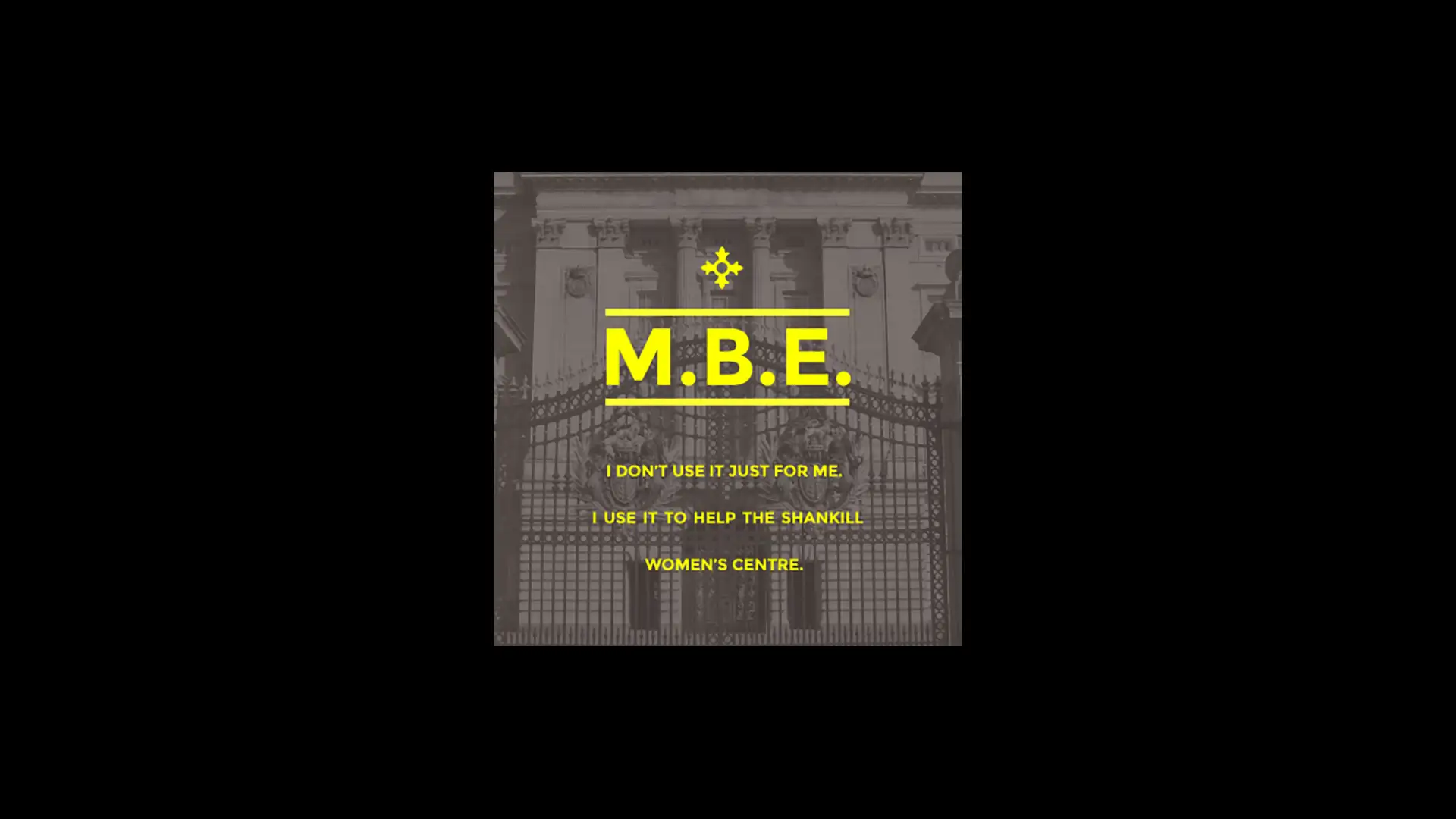
From the Shankill to Buckingham Palace, how a woman overcame tragedies in her life and helped create jobs and a vital community centre for the women of the Shankill Road.
Living a double life and the fight for acceptance and individuality during turbulent changes taking place in Belfast.
How do we remember and how should Northern Ireland remember its recent past?
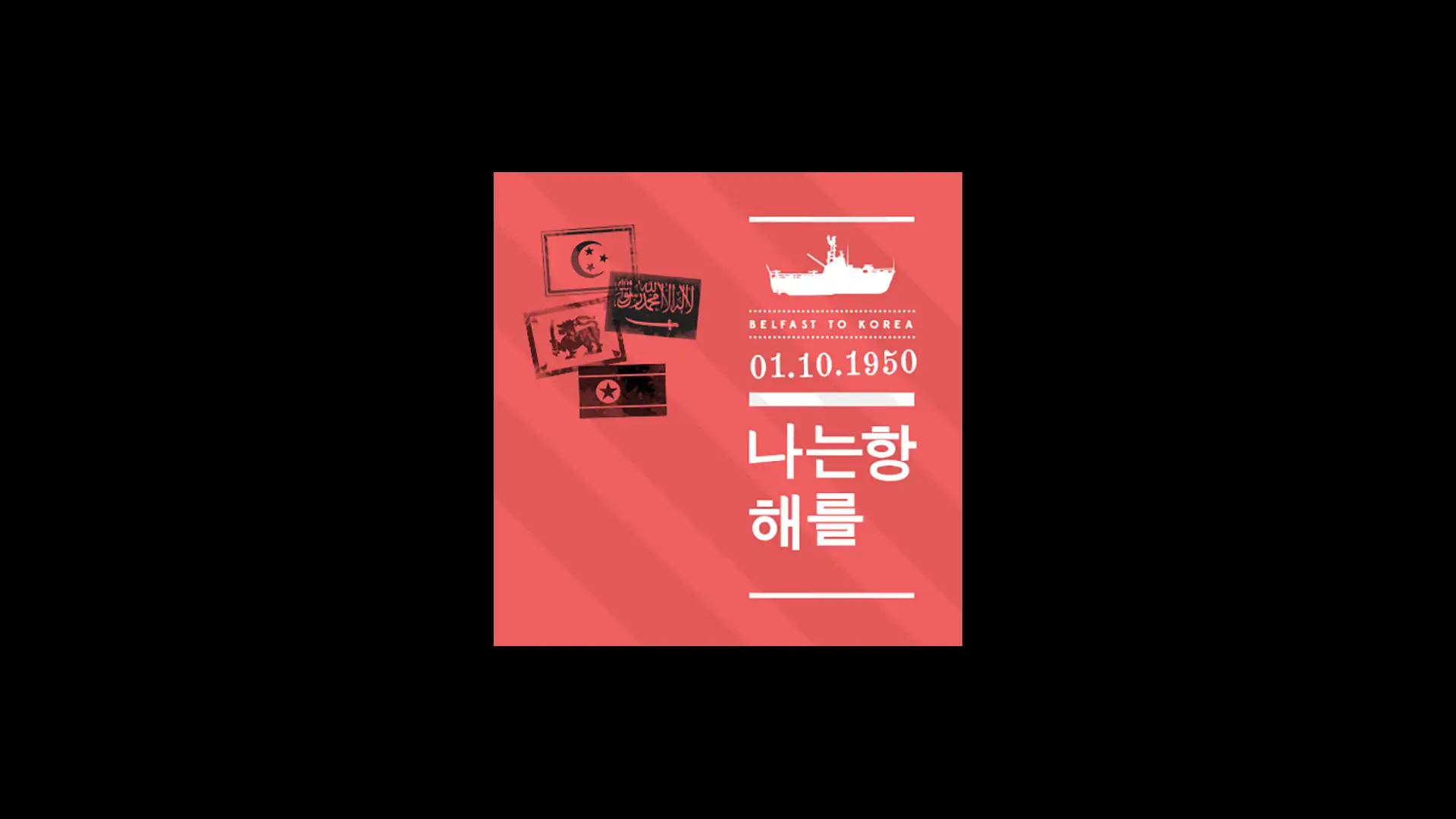
A long journey by boat to a foreign land begins one man’s experiences of a bloody war.
A man fighting the Japanese in World War Two loses contact with home.
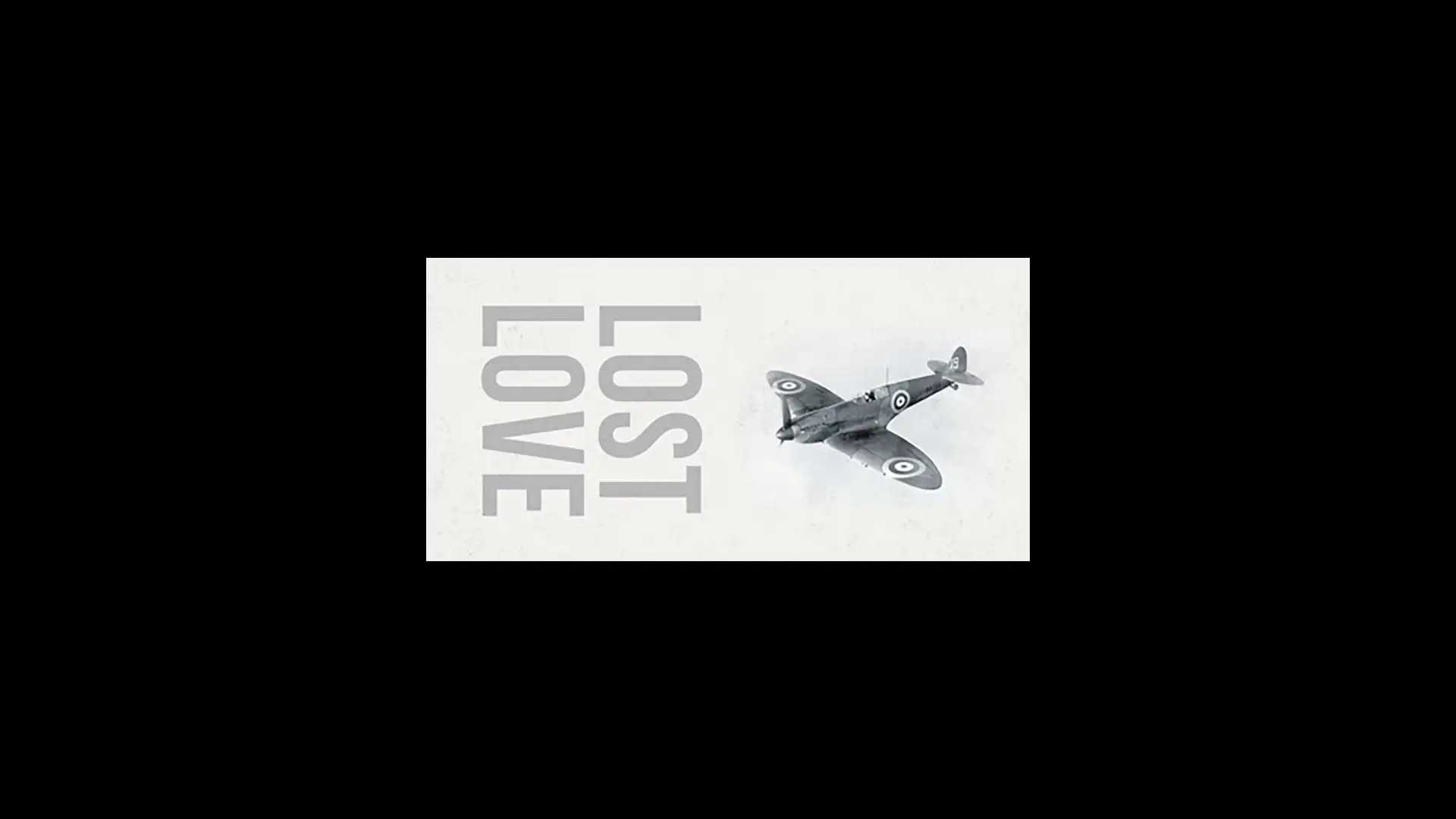
A dangerous job as an armourer in World War Two living on an airbase with constant air raids and the sound of bombs raining down.
A day on Belfast docks, a place filled with lively characters, back breaking work and casual violence, described in vivid detail by a docker turned author.
The last man hanged in Crumlin Road Gaol and the shockwaves that exist to this day.
The Working Class – Containing the Past: Class, gender and sectarianism in a society of divided loyalties and years of violence and political conflict.